
Updated: June 2026
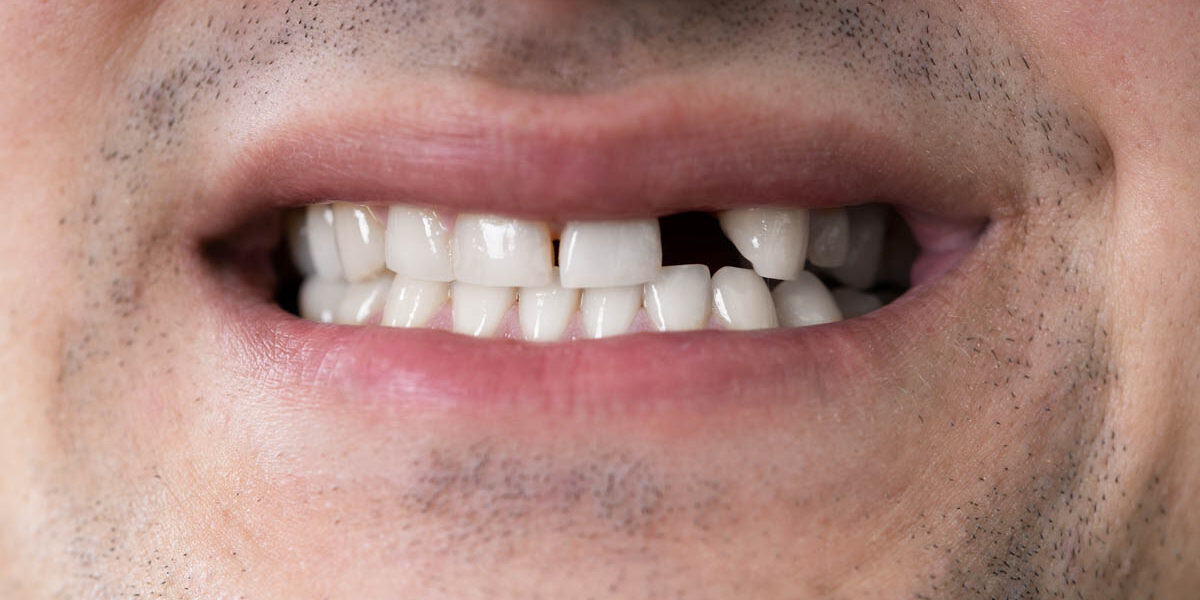
Meth mouth is one of the most recognizable signs of long-term methamphetamine use. The condition can lead to severe tooth decay, gum disease, infections, and tooth loss, often affecting a person’s ability to eat, speak, and maintain overall oral health.
While many people focus on the visible effects of meth teeth, the condition reflects a much larger health concern. Methamphetamine use affects nearly every part of the body, and the damage to the teeth and gums is often a sign of the broader physical effects of addiction.
Although meth mouth can be severe, treatment and recovery are possible. Learning how methamphetamine damages the teeth and gums can help individuals and families identify the warning signs of ongoing substance use and seek help before the health consequences become more serious.
What is meth mouth?
The term “meth mouth” refers to severe dental deterioration caused by meth use. It often includes extensive tooth decay, broken or blackened teeth, gum disease, oral infections, and tooth loss.1
Meth mouth can develop when multiple factors work together to damage the mouth. Reduced saliva production, teeth grinding, poor oral hygiene, dietary changes, and the chemical effects of meth all contribute to rapid deterioration.
Because the damage is often visible, meth and teeth problems are among the most recognizable physical signs of meth addiction. However, the condition does not develop overnight. In most cases, it progresses gradually as meth use continues and oral health worsens.
What does meth do to your teeth?
Meth use involves a combination of chemical, physical, and behavioral effects that work together to damage oral health.
One of the most significant effects of meth is dry mouth, also known as xerostomia. Meth reduces saliva production, making it harder for the mouth to wash away bacteria and food particles. Without enough saliva, teeth become more vulnerable to decay and infection.2
Meth also causes many people to grind or clench their teeth, a condition known as bruxism. This constant pressure can crack, chip, and wear down teeth. In addition, meth use is often associated with cravings for sugary foods and beverages, which can further increase the risk of cavities.
The drug itself may also contribute to dental damage. Meth production commonly involves corrosive chemicals, such as anhydrous ammonia, lithium, and acidic compounds, which can weaken tooth enamel. Some researchers believe these substances contribute to the rapid deterioration seen in methamphetamine teeth.2
Meth can also cause vasoconstriction, which narrows blood vessels and reduces blood flow to the gums. This may impair healing, increase the risk of gum disease, and make oral infections more difficult to manage.
Meth mouth stages: From early decay to tooth loss
While every person’s experience is different, there are common patterns that often appear as dental damage worsens.
Early stage
One of the earliest meth mouth stages often begins with dry mouth, increased plaque buildup, and minor tooth discoloration. Small cavities may develop, and some people notice increased sensitivity when eating hot, cold, or sweet foods.
Moderate stage
As meth use continues, cavities often expand, and enamel begins to weaken. Teeth may become brittle, chipped, or cracked. Gum irritation and inflammation may also become more noticeable, making brushing and eating uncomfortable.
Severe stage
In this advanced stage, extensive decay, tooth loss, gum disease, and serious oral infections may develop. Some individuals lose multiple teeth, while others experience severe pain that affects eating, speaking, and daily functioning.
The progression of meth mouth varies by individual use patterns, oral hygiene habits, nutrition, and overall health. However, heavy meth use can cause significant dental damage within months in some individuals.
Causes of meth mouth: Why meth destroys teeth
Knowing the primary meth mouth causes can help explain why the condition develops so quickly.
A single factor does not cause meth mouth. Instead, it results from a combination of factors, such as:
- Dry mouth and reduced saliva production
- Teeth grinding and clenching
- Increased sugar consumption
- Poor oral hygiene
- Acidic and corrosive chemical exposure
- Reduced blood flow to the gums
The effects of meth mouth go far beyond appearance. Severe tooth decay and tooth loss can make it difficult to eat nutritious foods, speak clearly, and feel confident in social situations. As the damage progresses, dental treatment often becomes more complex and costly, sometimes requiring extensive restorative care.
Meth mouth treatment
Although dental damage caused by methamphetamine is often severe, treatment options are available. The approach depends on the extent of the damage and the condition of the teeth and gums.
Treatment may include:
- Professional dental cleanings
- Fillings for cavities
- Root canals for damaged teeth
- Tooth extractions
- Dentures or dental implants
- Periodontal therapy for gum disease
- Treatment for oral infections
Although some effects of meth use may be irreversible, dental care can often improve oral function, support healthier teeth and gums, and reduce pain. Results vary based on the severity of the damage and the individual’s overall health.
The most important step in treating meth mouth is stopping meth use. Ongoing methamphetamine use can continue to damage teeth and gums, making long-term dental restoration more difficult. For many people, improvements in their health begin with addiction treatment and sustained recovery.
Signs of meth addiction
Common signs of meth addiction include:
- Increased physical activity: Individuals using meth might act unusually energetic or restless.
- Loss of appetite: A decrease in hunger can lead to significant weight loss over time.
- Sleep disturbances: People often experience insomnia or altered sleep patterns.
- Dental issues: Noticeable deterioration in oral health, such as severe tooth decay and gum disease.
- Skin sores: There may be sores or scars from scratching due to sensations of bugs crawling on the skin.
- Mood swings: Rapid shifts from extreme happiness to irritability or worry.
- Isolation: Withdrawal from family and friends to focus on drug use.
These signs of meth use can affect nearly every area of a person’s life, including physical health, relationships, employment, and emotional well-being.
Individuals experiencing these warning signs may benefit from learning more about available meth addiction treatment options.
Meth addiction treatment in Spokane, WA
Meth addiction can have serious effects on both physical and mental health. Fortunately, recovery is possible with professional support and evidence-based treatment.
Spokane Falls Recovery Center provides comprehensive meth addiction treatment for adults throughout Spokane, Spokane Valley, and Eastern Washington. Our programs are evidence-based, holistic, individualized, and aligned with the American Society of Addiction Medicine (ASAM).
Levels of care available at Spokane Falls Recovery Center include:
- Medical detox
- Residential treatment
- Partial hospitalization program (PHP)
- Intensive outpatient program (IOP)
- Outpatient program
- Alumni program
Treatment may include cognitive-behavioral therapy (CBT), group therapy, individual therapy, relapse prevention planning, and other services designed to support long-term recovery.
If you or someone close to you is struggling with meth use, Spokane Falls Recovery Center is here to help. Our team understands the challenges of addiction and works closely with each client to create a personalized treatment plan that supports lasting recovery.
Call us today at 844.962.2775 or fill out our contact form to explore treatment options at our Spokane treatment center.
Sources:
- National Library of Medicine. Understanding the Basis of METH Mouth Using a Rodent Model of Methamphetamine Injection, Sugar Consumption, and Streptococcus mutans Infection. Accessed June 2026.
- National Library of Medicine. Mechanisms Underlying Methamphetamine-Related Dental Disease. Accessed June 2026.